Advice
Heritage building restoration in Melbourne: how to protect character while modernising
August 2026
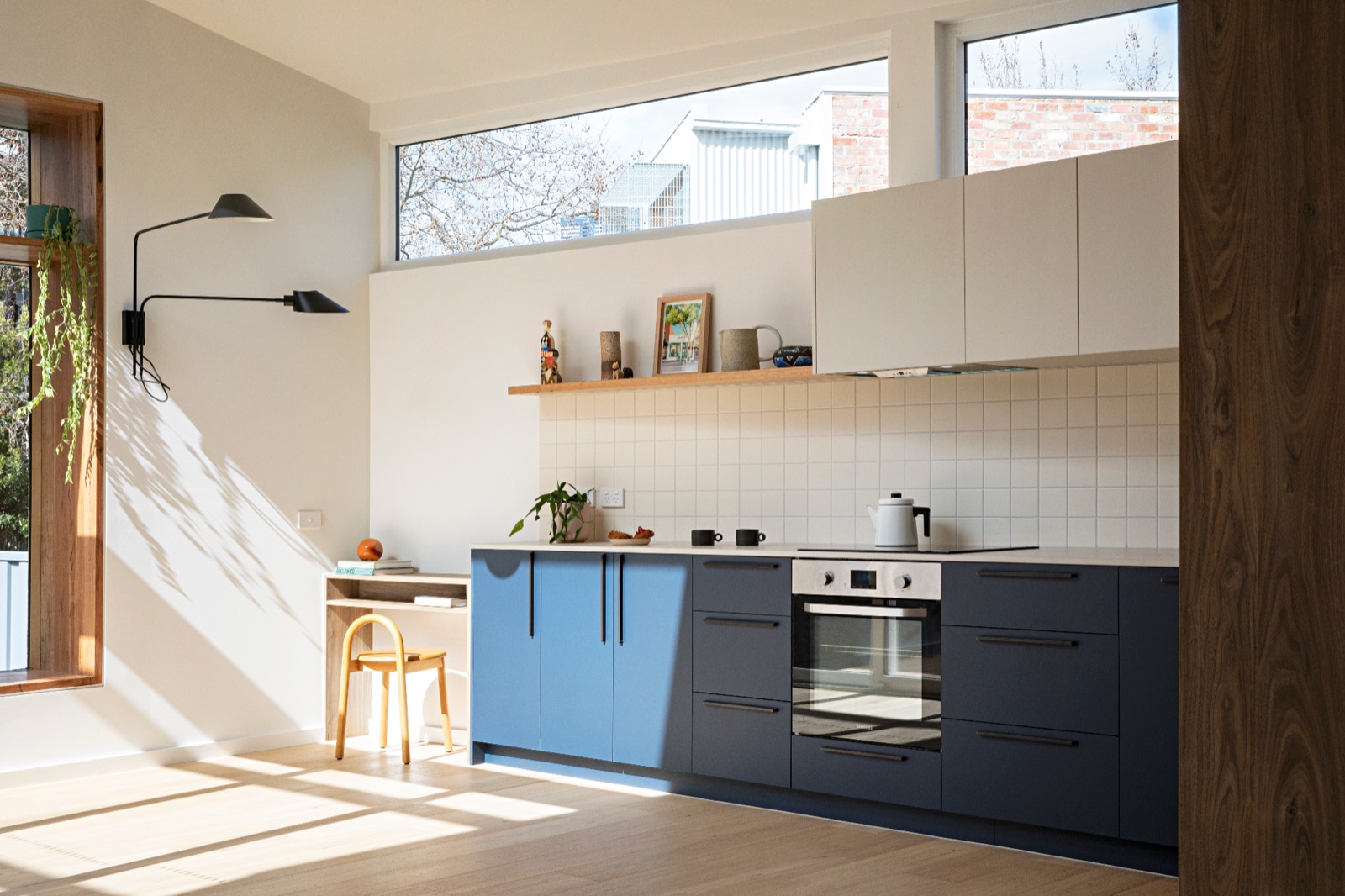
Melbourne's older homes were not designed for the way most families live today. Kitchens were often separated from living areas, storage was limited and modern heating, cooling and electrical services were not part of the original building.
Yet these homes also contain details that are difficult to reproduce. Original joinery, masonry, decorative plasterwork, timber floors, fireplaces and carefully proportioned rooms all contribute to their character.
A successful heritage building restoration should not force homeowners to choose between preserving history and living comfortably. The objective is to understand what makes the building significant, protect those elements and introduce modern improvements without overwhelming the original home.
Begin by understanding what you have
Before designing changes, it is important to understand the property's age, construction and condition.
Victorian, Edwardian and other period homes can contain several generations of alterations. Some additions may be worth retaining, while others may have weakened the layout or concealed original details.
An early investigation can help determine:
- Which materials and features are original
- Whether previous additions are structurally sound
- Which elements contribute most strongly to the home's character
- Where deterioration or movement needs to be addressed
- How modern services could be incorporated
- Whether heritage planning controls apply
Kelly Construction Co begins restoration work by understanding the building's history and condition before committing to the scope. The company's restoration work includes period detailing, structural repairs, material matching and the integration of modern services.
Check the property's heritage status early
The term "heritage home" can refer broadly to an older character property, but formal heritage controls may also apply.
Properties covered by a local Heritage Overlay will generally require a planning permit from the relevant council for works such as demolition, exterior alterations and new construction.
A property included on the Victorian Heritage Register is protected at the state level. Alterations such as extensions, interior works, demolition, colour changes and new structures will generally require approval from Heritage Victoria.
Local and state heritage controls are different, so the correct requirements should be confirmed before the design is developed too far. Early advice from the relevant council, architect or heritage consultant can help avoid delays and ensure the proposal responds appropriately to the property.
Identify the character-defining features
Not every old component needs to remain untouched, and not every modern addition will damage the home's character.
The key is to determine which elements give the property its identity. Depending on the home, these may include:
- The original facade and roof form
- Verandahs and decorative timberwork
- Brickwork, stonework or rendered details
- Original doors, windows and hardware
- Ceiling roses, cornices and plasterwork
- Fireplaces and chimney breasts
- Timber floors, skirtings and architraves
- The scale and proportions of the front rooms
These features can then be prioritised in the design and construction process.
Good heritage construction services involve more than reproducing decorative details. They require careful decisions about what to preserve, what can be repaired and how replacement materials should relate to the original fabric.
Repair before replacing
Replacement can appear simpler, but removing original materials unnecessarily can weaken the authenticity of the home.
Well-made timber windows, doors, floors and joinery can often be repaired. Masonry may be repointed rather than replaced. Decorative plasterwork can sometimes be restored or accurately reproduced in damaged sections.
Retaining original fabric also helps the finished renovation feel genuine. New components may be appropriate where materials are beyond repair, but they should be selected with an understanding of the existing building.
Kelly Construction Co's approach includes material matching, traditional craftsmanship and the restoration of period joinery and finishes. This allows damaged elements to be addressed without stripping away the features that make the home worth preserving.
Let new work complement the original home
A modern addition does not always need to imitate the historic building.
Trying to make a completely new extension look artificially old can blur the distinction between original and contemporary work. In many projects, a more considered approach is to retain and restore the significant sections of the home while allowing the addition to use a simpler, complementary architectural language.
The relationship can be created through proportion, scale, material choices and carefully resolved transitions. The new work should feel connected to the original house without competing with it.
This is where experienced heritage home builders and designers are particularly valuable. They can work through the junctions between existing and new construction, where rooflines, floor levels, materials and structural systems must meet. You can see this in our completed restoration projects.
Improve comfort quietly
Older homes can often be improved significantly without making modern services visually dominant.
Depending on the building and approved scope, modernisation may include:
- Upgraded electrical and plumbing systems
- Improved insulation and draught sealing
- Heating and cooling
- Better natural light and ventilation
- Modern kitchens and bathrooms
- Improved storage and joinery
- Structural strengthening
- More practical connections between rooms
- Better access to outdoor living areas
Renovations and additions can also improve a home's energy and water efficiency while increasing comfort and liveability.
The success of these upgrades depends on how they are integrated. Services should be planned early so vents, switches, pipework and bulkheads do not unnecessarily interrupt original detailing.
Work with people who understand existing buildings
Heritage and period homes behave differently from new buildings. Walls may not be straight, materials may respond differently to moisture and previous alterations may only become fully understood once work begins.
This requires patience, practical experience and a willingness to adapt without losing sight of the design.
Kelly Construction Co specialises in restoring and upgrading older homes across inner Melbourne. Marc Kelly works directly with clients, architects and designers, bringing hands-on carpentry knowledge and experience with Victorian homes, cottages and other character buildings.
For homeowners, this direct relationship creates clearer accountability when decisions need to be made on site.
A heritage home should still feel like home
Protecting character does not mean preserving a building as though it were a museum. A home must continue to serve the people who live in it.
The strongest restorations retain the craftsmanship and proportions that give the property its identity while resolving the practical limitations of an older building. The result should feel comfortable, functional and contemporary, but still recognisably connected to the home that was there before.
Kelly Construction Co provides restoration and renovation services across Melbourne's inner east and inner north. Speak with the team about your property, its existing condition and how its character can be protected while creating a home that works for modern life.
Let's talk about your project.
Tell us what you're planning. We'll help you work out the best pathway, and whether we're the right builder for the job.
We'll help you determine the best service pathway for your project, and you don't need to have it all figured out.